
Date: April 2022
Location: Pearl River Estuary National Nature Reserve, Guangdong, China
Project Background
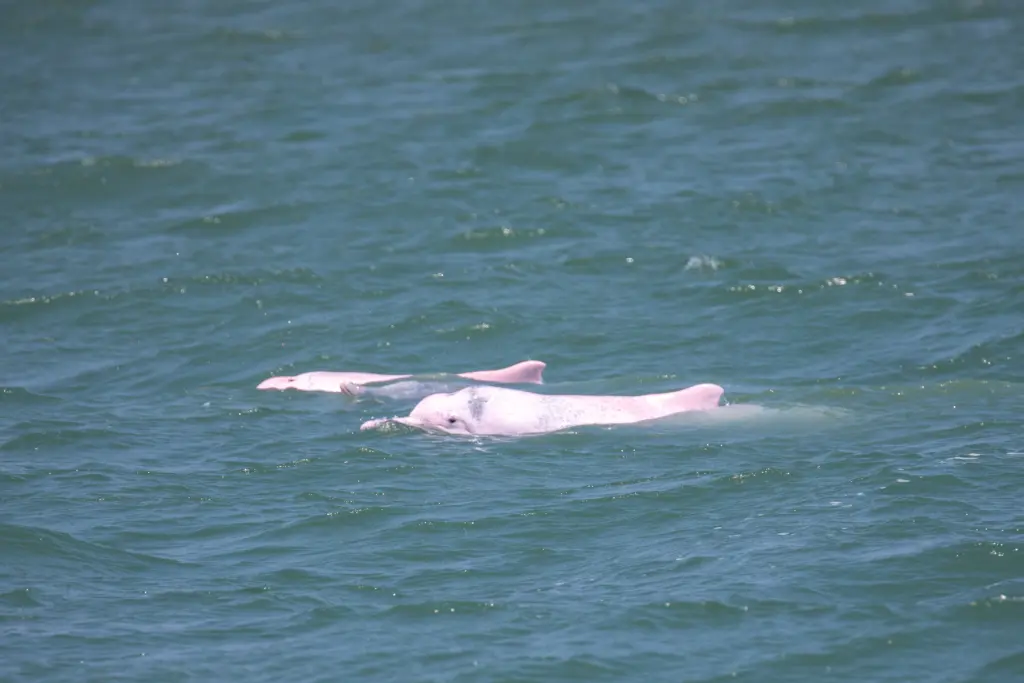
The Chinese White Dolphin (Sousa chinensis), known as the “panda of the ocean,” holds vulnerable status on the IUCN Red List. The Pearl River Delta hosts the world’s largest population of these endangered marine mammals. This project marked the first application of Unmanned Surface Vessels (USVs) and passive acoustic monitoring technologies in China for systematic dolphin population research within the Pearl River Estuary National Nature Reserve.
Solution Implementation
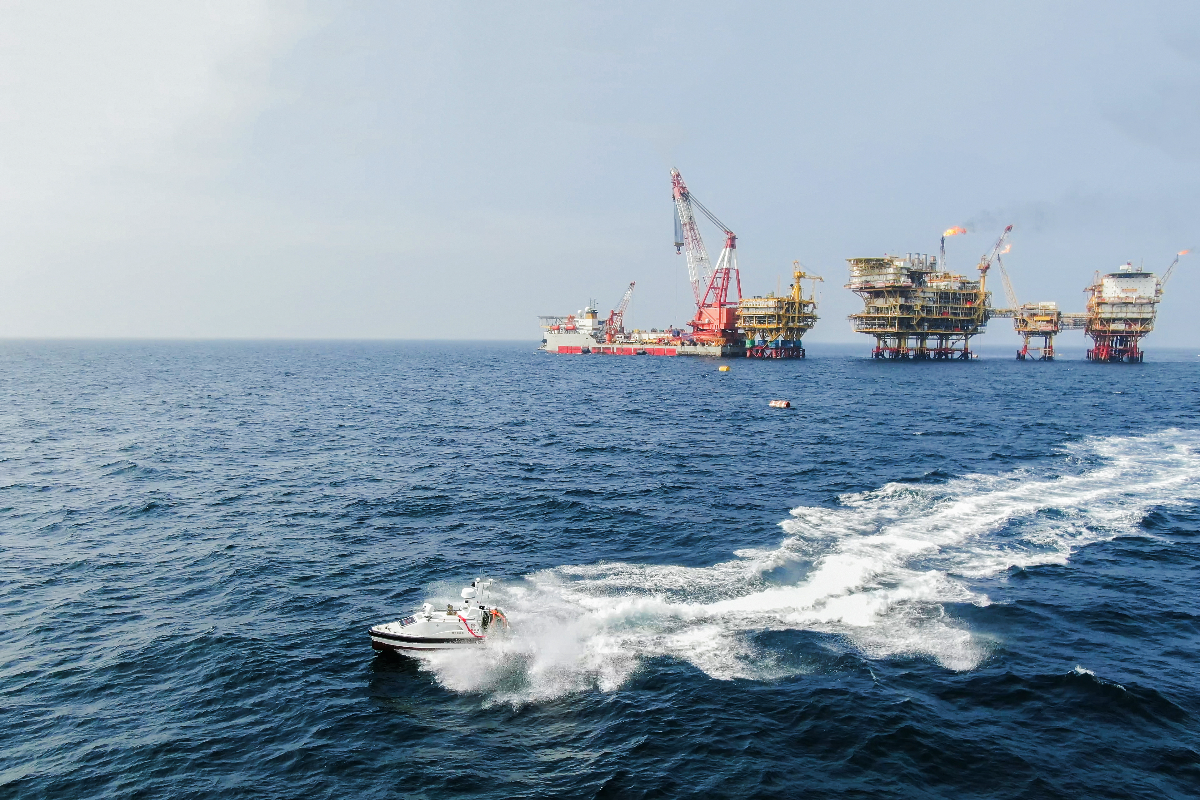
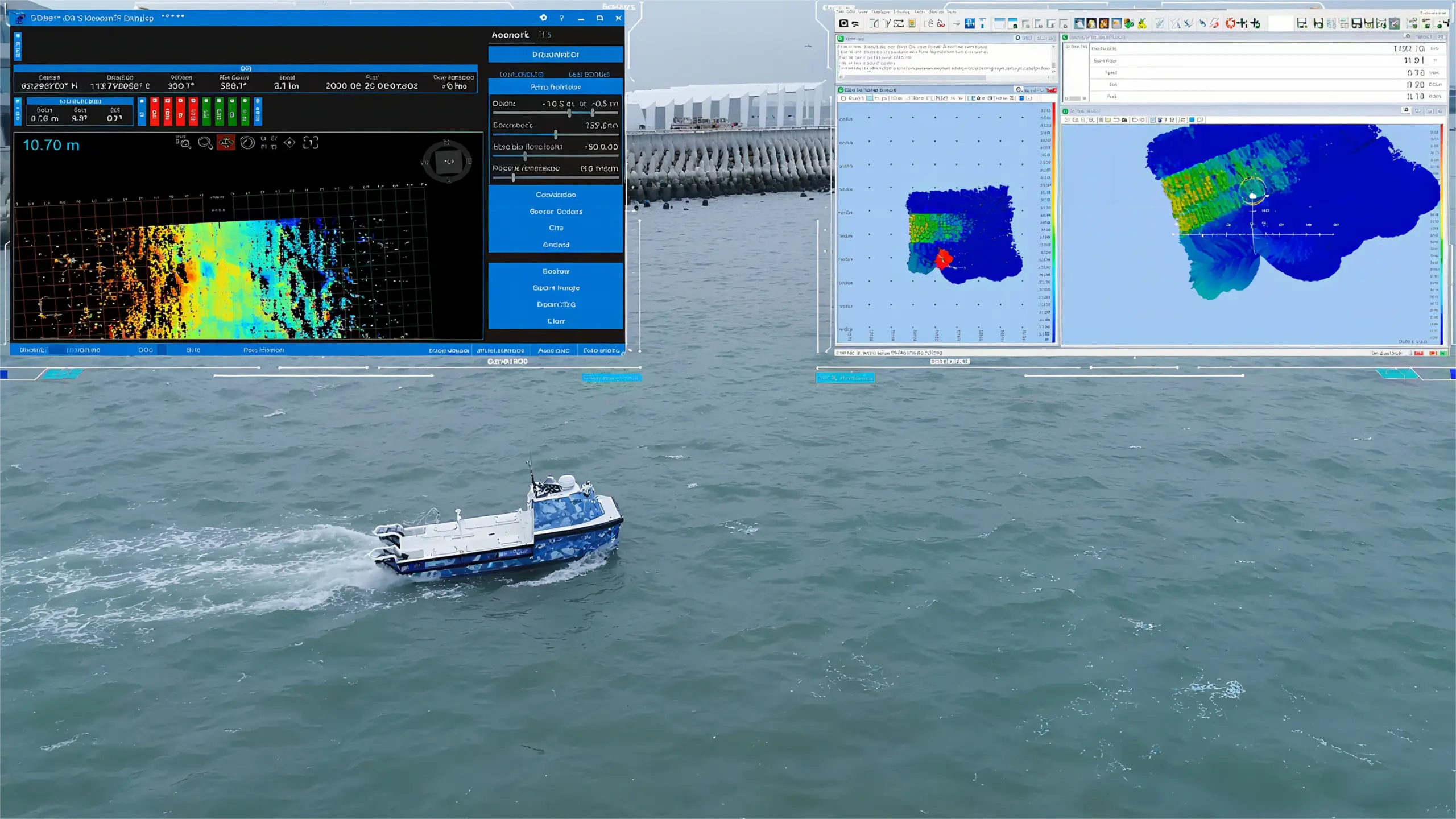
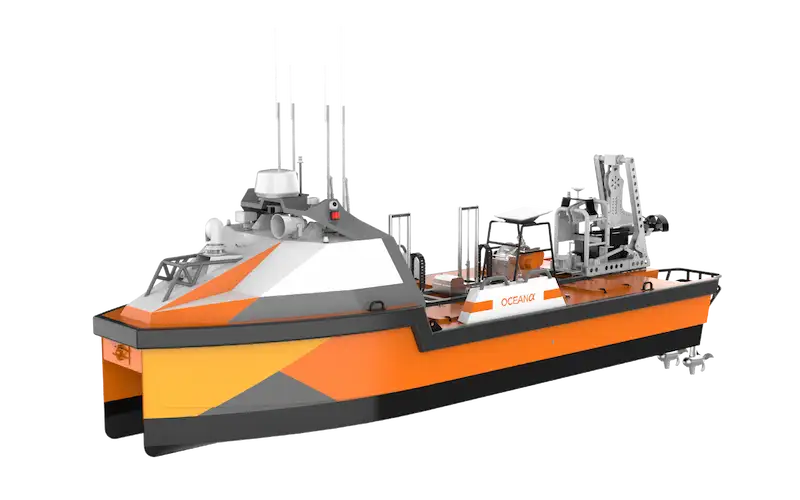
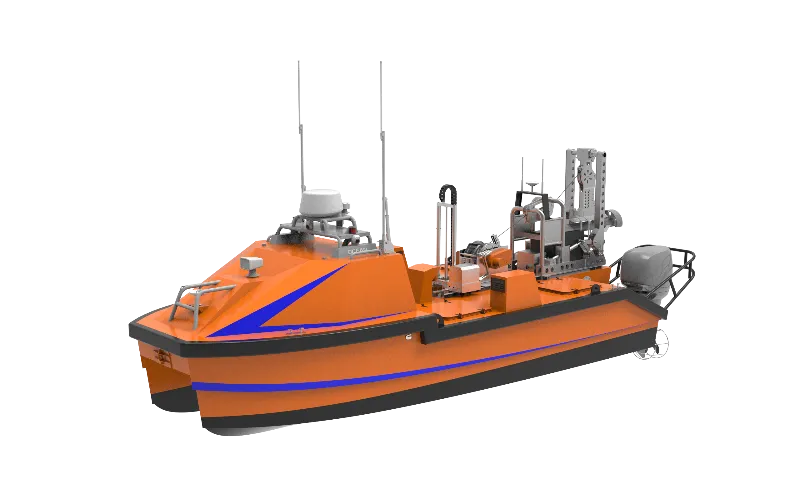
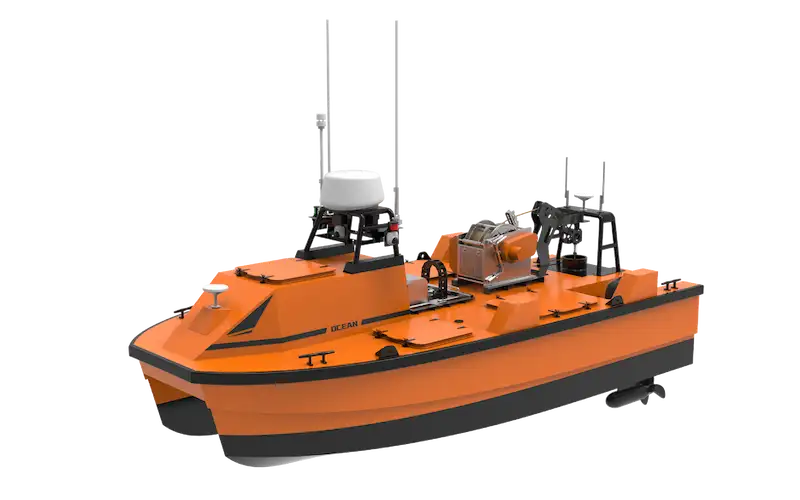
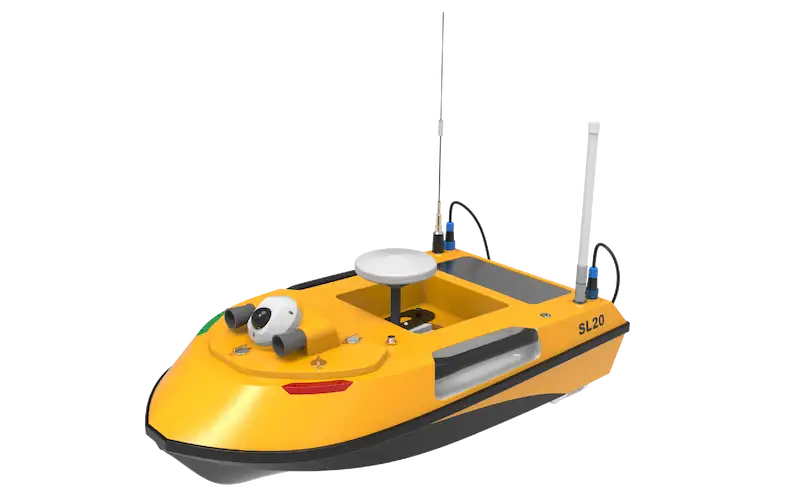
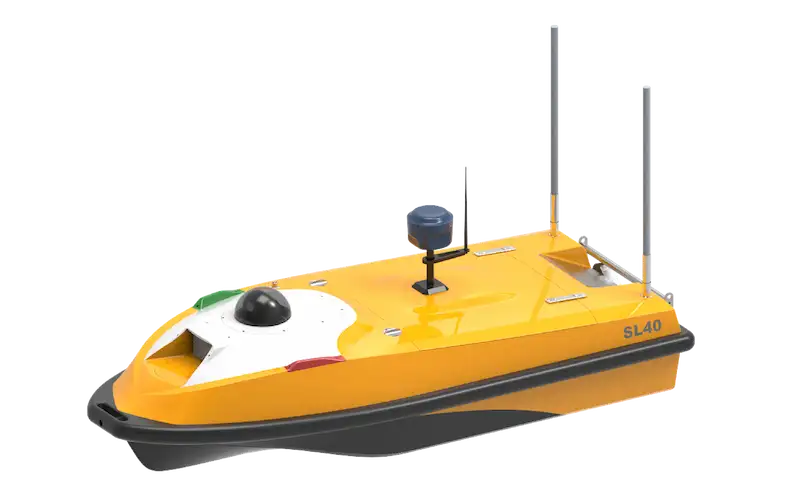
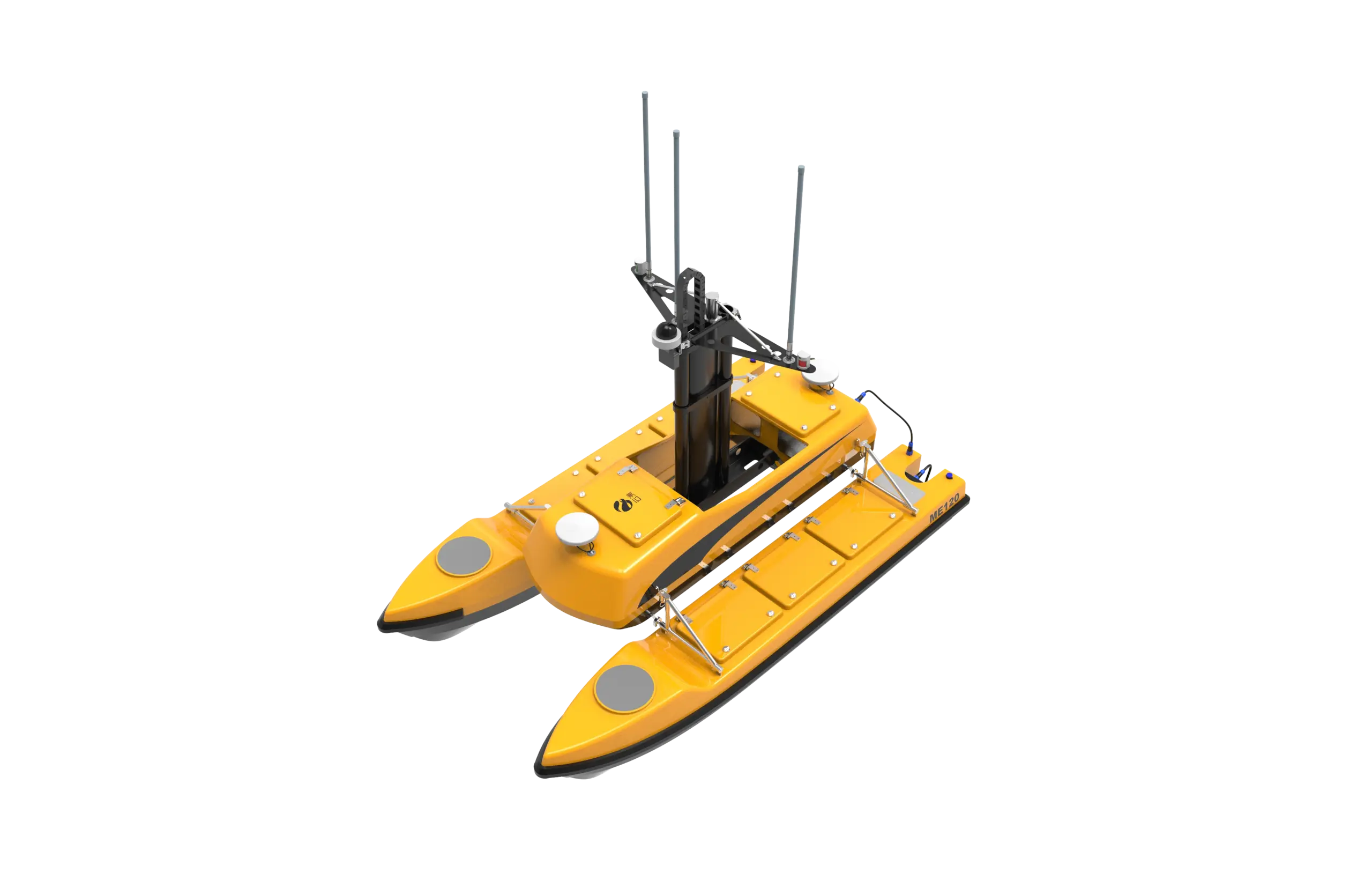
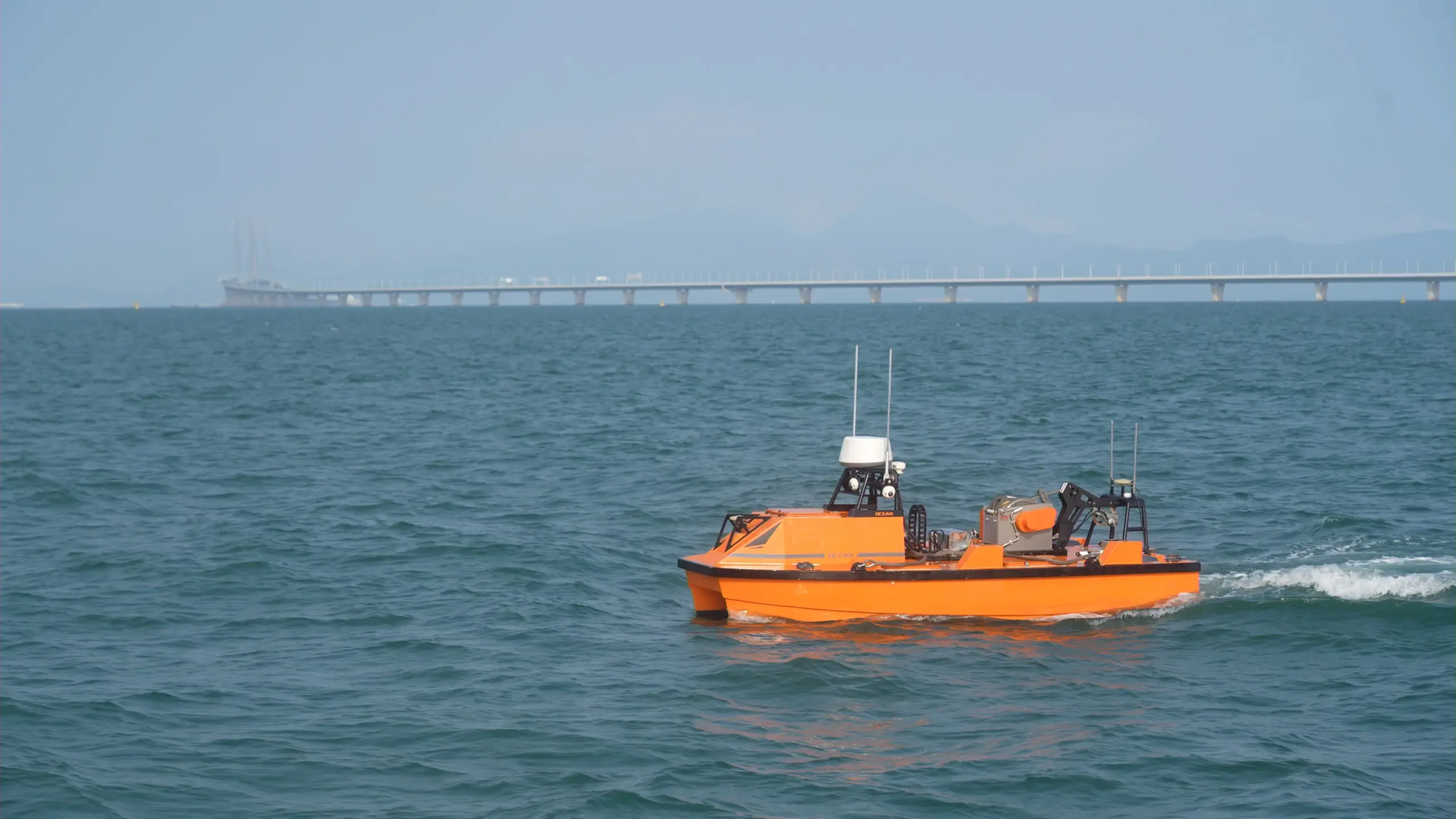
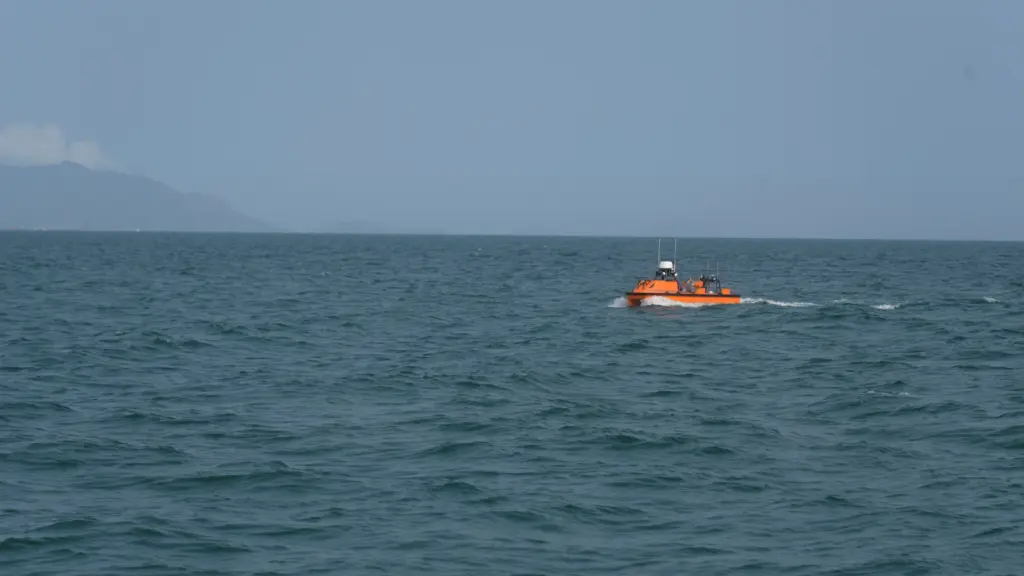
OceanAlpha’s M40P USV was deployed to conduct non-invasive dolphin monitoring:
- Core Equipment: Advanced sonar systems and acoustic monitoring devices
- Operational Mode: Autonomous navigation along predefined survey routes within the protected area
- Data Collection: Towed acoustic sensors recorded dolphin vocalizations while minimizing environmental disturbance
“Each vocalization track represents a Chinese White Dolphin. Our sonar and acoustic technologies have significantly improved population distribution research,”explained Chen Yuwei, Engineer at the Institute of Hydrobiology, Chinese Academy of Sciences.
Key Advantages of USV Technology
The M40P USV delivered critical benefits compared to traditional research vessels:
- Noise Reduction
- Electric propulsion system produces minimal underwater noise
- Eliminates dolphin disturbance caused by conventional boat engines
- Enhanced Operational Safety
- Reduced acoustic sensor towing distance (from 80m to just 10m)
- Improved equipment stability and protection during surveys
- Improved Data Quality
- Quiet operation enables clearer dolphin vocalization recording
- Autonomous navigation ensures consistent survey coverage
“The USV’s silent operation allows us to study dolphin behavior without behavioral interference,”noted researchers observing increased juvenile dolphin activity in the reserve.
Project Significance
This case demonstrates how USV-based acoustic monitoring provides:
- Non-invasive research methods for endangered marine species
- Enhanced data collection with reduced environmental impact
- Scalable conservation solutions combining autonomous surface vessels with smart monitoring technologies